
Skip the intro · jump to the list ↓
Scandinavian style looks simple on the surface, which is exactly why it gets copied badly. People borrow the white walls and pale wood, then fill the room with random “Scandi-ish” bits and wonder why it still feels flat, cold, or oddly cluttered. The real Scandinavian look is not a shopping list. It is a system: a bright base, honest materials, calm storage, and lighting that is designed for long dark seasons. Add the cultural layer (hygge, lagom, everyday practicality), and it starts to make sense why the style feels both minimal and warm.
Another misconception: Scandinavian design is not one identical thing across Denmark, Sweden, Norway, Finland, and Iceland. There are shared principles, but the expression shifts with architecture, climate, and local craft traditions. And there is also a difference between “Scandinavian design” as a design movement and the way people actually live at home. Scandinavian design emerged in the early 20th century and flourished in the 1950s, with an emphasis on simplicity, minimalism, and functionality.
In this guide, you’ll get the practical foundation (what matters most), the cultural layer (how hygge actually works), and room-by-room choices you can copy without turning your home into a beige showroom.
See everything at a glance:
- Scandinavian style starts with the base: light walls, clean sightlines, and a “quiet” backdrop that bounces daylight.
- Natural materials are not decoration in this style. They are the point: wood, wool, linen, leather, ceramic, glass, and metal.
- Storage is part of the aesthetic. If your surfaces are always full, the style will never read as Scandinavian.
- Lighting is layered, warm, and spread around the room. Think multiple lamps, not one harsh ceiling light.
- Pattern is used, but usually later and more quietly than in many other styles.
- Hygge is not “buy candles”. It is an atmosphere built around comfort, togetherness, and ease.
- Scandinavian architecture and interior choices are linked: big windows, practical layouts, and a respect for craftsmanship.
If you only do one thing: make your lighting softer and more layered. It changes the mood faster than any furniture swap.
The decision framework that actually works
Use this simple set of rules when you’re choosing anything, from a sofa to a mug:
1) If you want the Scandinavian look, fix the “canvas” first
White or very light walls, calm floors, minimal visual noise, and a few strong pieces.
This won’t work if your space is dominated by high-gloss finishes, busy granite, heavy drapes, and lots of tiny decor on every surface. You can still borrow Scandinavian ideas, but it will read more like “modern eclectic with Scandinavian touches” than true Scandinavian.
2) If you want cozy, add texture before you add stuff
Wool throws, linen curtains, a rug with real depth, a paper shade that softens light. Texture is how Scandinavian spaces feel warm without clutter.
3) If you want it to feel expensive, buy fewer, better things
Quality is visible in Scandinavian homes because the style leaves nowhere to hide. Cheap plastics and flimsy flat-pack look louder in a minimalist room.
I usually tell people to stop chasing variety in the morning. One good default setup does more than ten options. Same for interiors: one excellent lamp beats three mediocre ones.
4) If you want the style to stick, build routines
Clean surfaces, a place for everything, and small daily resets. Scandinavian living is as much habit as it is aesthetic.
What Scandinavian style is (and what it isn’t)
Scandinavian style interior (the real definition)
At its core, a scandinavian style interior is a balance of:
- Function and beauty (objects earn their place)
- Light-first choices (reflect, soften, multiply light)
- Natural materials (honest, tactile, durable)
- Calm color palettes (neutrals with muted accents)
- Minimal clutter (storage is design)
This aligns with the broader Scandinavian design movement, known for simplicity, minimalism, and functionality.
Nordic interior vs “Scandi-inspired”
A nordic interior often leans even more nature-driven and seasonal: warm woods, wool, layered lighting, and practical comfort for winter. “Scandi-inspired” online sometimes just means “white walls and a boucle chair”. The difference is the system underneath.
Architecture matters more than Pinterest wants to admit
Scandinavian architecture: light, proportion, practicality
Scandinavian architecture is strongly shaped by climate and daylight. Big windows and bright interiors are not trends, they are survival strategies in darker months. That is why pale surfaces, light floors, and simple forms show up again and again.
Here’s the part people miss: interiors and architecture are linked. If your home has tiny windows and dark hallways, you can still do Scandinavian style, but you will need to work harder with mirrors, paint, and lighting layers.
Nordic classicism architecture, in plain English
If you’ve ever looked at early 20th century Nordic buildings that feel classical but simplified, you’re likely seeing nordic classicism architecture. It developed roughly between 1910 and 1930 in Nordic countries, sometimes called “Swedish Grace” in Sweden.
Why does this matter for your home? Because it explains a lot of the Scandinavian love for proportion, restraint, and craftsmanship that later flows into modern Scandinavian design.
The interior principles that make the style feel “right”
1) The base: bright, clean, and calm
- Walls: white, off-white, or very light warm gray
- Trim: clean and consistent
- Visual noise: reduced (fewer small objects, fewer competing finishes)
This is where most people fail. If your “base” is chaotic, no amount of Danish chairs will save it.
2) Floors: simple, natural, durable
Light wood floors are common in Scandinavian imagery for a reason: they keep spaces airy and timeless. If you cannot change floors, use large rugs that read calm and natural (wool, jute blends, low pattern).
Trade-off (no solution): light floors show dirt faster. If you have kids, pets, or city dust, you will notice.
3) Minimalism and storage: surfaces stay mostly clear
A Scandinavian room usually has breathing space. The trick is not “own nothing”. It is “store the everyday stuff well”.
- Closed storage beats open shelves for most people.
- Pick 1-2 statement objects per surface, not ten little ones.
4) Natural materials: the shortcut to warmth
Choose a small set and repeat them:
- Wood (oak, ash, birch tones)
- Linen and cotton
- Wool (throws, rugs)
- Ceramic and glass
- Metal accents (brass, blackened steel)
Avoid rooms full of glossy plastic, faux finishes, and flimsy textures.
5) Layered lighting: Scandinavian cozy is mostly light design
The most “Scandi” rooms rarely rely on one central ceiling light. You want multiple points of warm light around the room: table lamps, floor lamps, wall lights, and one gentle overhead option.
This is optional. Skip it if you already have a lighting setup you love and it works for your daily life. You can jump straight to the room-by-room ideas below.
6) Pattern: start quiet, then earn it
If you’re transitioning from a more maximal or colorful home, go pattern-light first. Once the base is calm, you can add subtle stripes, checks, or small geometrics in textiles.
7) The “filter” for what enters your home
A helpful rule: every item should have utility, aesthetic value, and quality. If it fails one, it becomes visual clutter fast.
Room-by-room: how to make it real
Living room: calm, textured, livable
If you want cozy living, focus on three layers:
- Soft light (two lamps minimum)
- Texture (wool throw, linen cushions, a real rug)
- One strong anchor piece (sofa or coffee table)
A cozy interior is not built by adding more decor. It is built by making the room feel good to sit in: soft light, warm materials, and enough empty space to breathe.
If your goal is a cozy apartment, keep the palette tight and the furniture visually lighter (legs showing, slimmer silhouettes). Small spaces look better when you can see the floor and the walls.
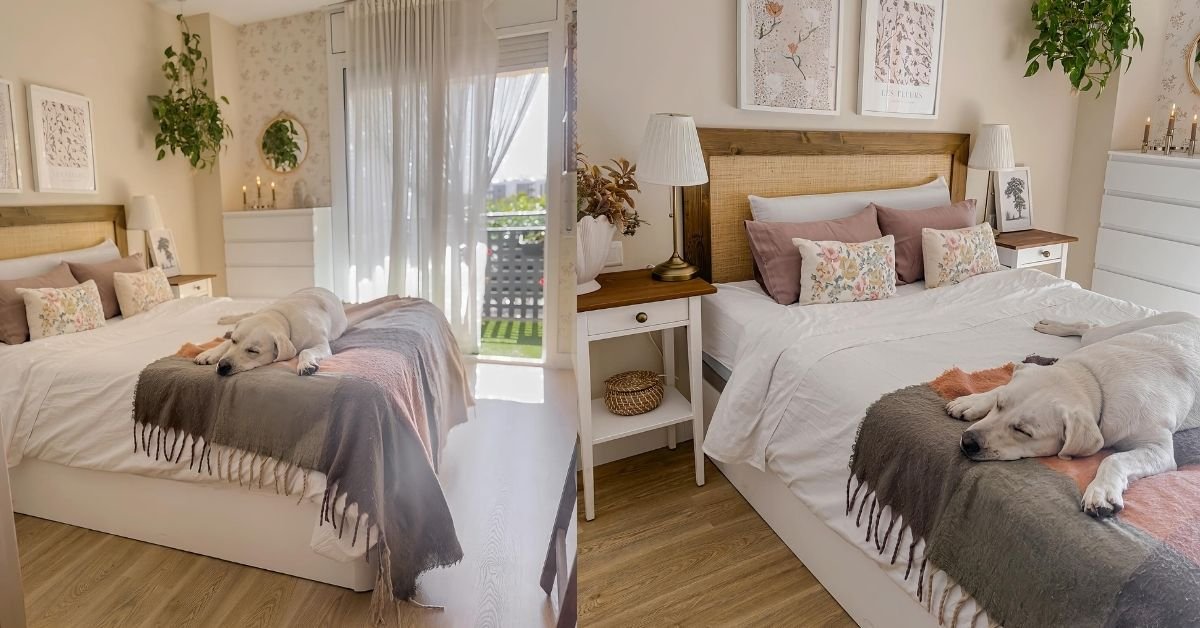
Bedroom: neutral, quiet, and actually restful
A neutral bedroom works best when the neutrals have texture differences:
- Linen bedding
- Wool throw
- Wooden bedside tables
- A soft rug underfoot
To create a cozy bedroom, do this:
- Add a bedside lamp with a warm bulb
- Use layered bedding (sheet, duvet, throw)
- Keep walls calm and art minimal
One thing that surprises people: Scandinavian bedrooms often feel “simple” rather than “styled”. That simplicity is the luxury.
Bathroom: clean lines, honest surfaces
A scandinavian bathroom is usually about:
- Light walls and simple tile
- Minimal countertop clutter
- Warmth through wood accents (stool, tray, mirror frame)
- Good lighting that is flattering, not harsh
If you cannot renovate, the fastest upgrades are:
- Swap to a simple mirror and better light
- Add one wood element
- Use matching containers so your daily items look intentional
Hygge: the vibe you actually want
hygge decor is the visual side: candles, warm light, soft textiles, comforting corners. But hygge is bigger than styling.
hygge lifestyle is about creating an atmosphere of comfort, togetherness, and ease, especially during darker and colder seasons. Danish cultural sources describe hygge as tied to wellbeing, equality, and enjoying simple moments together.
Try this “real hygge” checklist:
- Warm, soft lighting (no glare)
- Something warm to drink
- A seat you actually want to sink into
- Low effort togetherness (board game, chat, music)
- No over-planning
Important note: hygge is not always quiet. It can be lively too. The goal is safety and comfort, not silence.
Danish design: why it hits different
danish design became internationally famous in the mid-20th century, with designers who pushed functional, refined forms and strong craftsmanship.
When you bring Danish pieces into your home, they tend to act like “structure” in the room: a chair silhouette, a lamp shape, a table edge that makes everything feel more intentional.
If you’re not buying iconic originals (most people aren’t), borrow the principles:
- Clean geometry
- Honest materials
- Comfort you can feel
- Quality that lasts
Nordic living beyond decor: food, habits, and seasonal rhythm
Scandinavian style is often paired with simple daily rituals: airing out rooms, lighting a candle in the afternoon, keeping surfaces clear, and cooking comforting seasonal food.
If you want to lean into scandinavian recipes, think along these lines:
- Open-faced sandwiches, rye bread, simple toppings
- Salmon, potatoes, dill, and creamy sauces used sparingly
- Cinnamon buns and cardamom-forward baking
- Warming soups and stews in winter, lighter fish and salads in summer
The point is not “authenticity policing”. It is the same principle as the interiors: simple ingredients, done well, shared with people you like.
Common mistakes (and the fixes)
- Too many small decor items
Fix: go bigger and fewer. One large vase beats five tiny ones. - Harsh lighting
Fix: add lamps, use softer shades, avoid cool glare. - All white, no warmth
Fix: add texture (linen, wool, wood), not color chaos. - Buying “Scandi” stuff without decluttering
Fix: remove first, then add. Style needs space. - Confusing minimalism with discomfort
Fix: keep comfort non-negotiable. A room can be simple and still deeply soft.
FAQ
Is Scandinavian style always white?
No. White and light neutrals are common because they reflect limited daylight, but muted colors (soft greens, dusty blues, warm grays) also fit, especially in textiles and accents.
Can I do Scandinavian style in a dark apartment?
Yes, but you’ll need to compensate with mirrors, lighter walls, and more layered lighting. The “light-first” principle matters more than the exact shade of white paint.
What woods look most Scandinavian?
Light to mid-tone woods (oak, ash, birch vibes) usually read most Scandinavian. The finish matters: matte or satin tends to feel more natural than high gloss.
Do Scandinavian homes use patterns?
Yes, but often subtly. If you’re transitioning, start with solids and texture, then add restrained patterns.
Is hygge just for winter?
It’s easiest in winter because it’s dark and cold, but hygge can be year-round. The idea is comfort and ease, not a specific season.
What’s the difference between Scandinavian and mid-century modern?
They overlap historically, but Scandinavian style usually stays lighter, calmer, and more texture-focused in the home. Mid-century modern often leans into stronger color contrast and more graphic lines.
Where does Nordic Classicism fit in?
It’s an earlier architectural movement (roughly 1910-1930) that helps explain the Nordic preference for proportion, restraint, and simplified classical forms.
Do I need designer furniture to pull this off?
No. You need a calm base, good light, natural materials, and fewer better-looking choices. If you invest anywhere, invest in lighting and one anchor piece.
Just a little note - some of the links on here may be affiliate links, which means I might earn a small commission if you decide to shop through them (at no extra cost to you!). I only post content which I'm truly enthusiastic about and would suggest to others.
And as you know, I seriously love seeing your takes on the looks and ideas on here - that means the world to me! If you recreate something, please share it here in the comments or feel free to send me a pic. I'm always excited to meet y'all! ✨🤍
Xoxo Frida
✨ Wait! Your next favorite is right here
These are the posts readers open next. See why: