

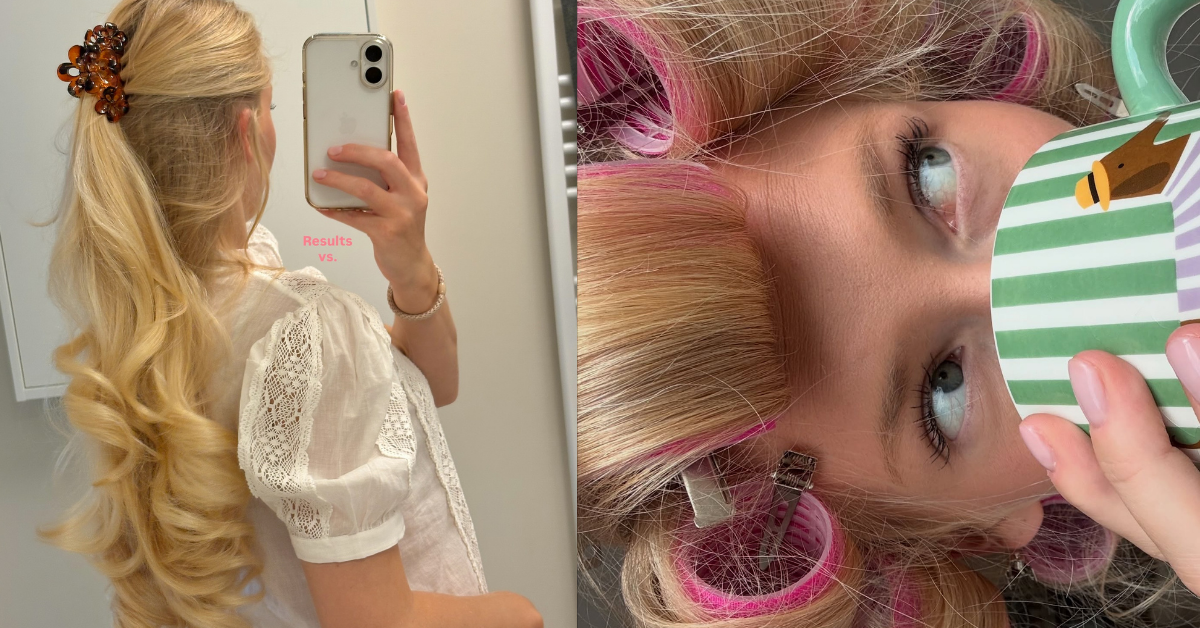
Scandi hair isn’t really a haircut, a color, or a single styling trick. It’s a finish.
When people say “expensive hair,” they usually mean hair that looks healthy, glossy, and calm. Not stiff. Not overly curled. Not crunchy. Just smooth enough to reflect light, with movement that still feels like you. That vibe lines up with what 2026 hair coverage keeps calling out: polished, healthy-looking shine with a natural, fluid feel.
The good news is you don’t need a salon blowout twice a week to get there. The bad news: you do need to be a little picky about the order you do things in (and how much product you use). Based on expert trend reporting, product science, and dermatology guidance, the Scandi finish is mostly four things:
- smooth cuticles (so light reflects evenly),
- controlled frizz,
- soft root lift or sleekness (depending on your vibe), and
- a clean silhouette.
Below is the simple framework, a step-by-step routine, and variations for different hair types.
Quick answer – Scandi Hair
- The 2026 “expensive” hair mood is glossy, healthy-looking, polished but not stiff.
- Shine comes from a smooth outer surface (a flatter cuticle reflects light better than a rough one).
- For most people, the easiest shortcut is: good wash + conditioner/leave-in + heat protectant + controlled blow-dry + tiny amount of serum/oil.
- If you want a salon boost, a hair gloss can add tone + shine and typically lasts around 4–6 weeks (varies).
- Silicones are not automatically “bad.” They can reduce friction and add shine by forming a light film on hair.
If you only do one thing: blow-dry just the top and front sections with tension (or a brush), then finish with a pea-sized smoothing serum on mid-lengths and ends.
What “Scandi hair” actually looks like
Think of it as the hair version of Scandinavian style: simple shapes, clean lines, and one subtle detail that makes it feel intentional.
You’ll usually see one of these finishes:
- Glossy and straight-ish with a soft bend at the ends
- Polished blowout that still moves (not sprayed into place)
- Sleek bun/pony with a smooth base and minimal flyaways
Trend reporting for 2026 backs this up: high-gloss hair, polished blowouts, and sleek styles that look healthy rather than heavily styled.
The decision framework: get the finish without fighting your hair
1) Pick your “Scandi lane”
Choose one, based on your actual hair behavior:
- Lane A: Airy and glossy (best if your hair holds shape easily)
- Lane B: Smooth and controlled (best if you fight frizz or poof)
- Lane C: Sleek and minimal (best if you want the bun/pony look)
2) Decide your one “upgrade”
You don’t need all of these at once:
- Cut upgrade: blunt-ish ends or a tidy bob/lob perimeter to look thicker and cleaner
- Color upgrade: subtle face-brightening highlights (the “barely there” approach is trending for 2026)
- Finish upgrade: gloss/glaze for shine and tone
3) Respect the trade-off
A clear trade-off with no solution: the shinier and more polished you want your hair to look, the more you’ll rely on either heat or build-up prone products (or both). You can minimize the downside, but you can’t fully dodge it.
This won’t work if you heat-style daily and refuse trims, conditioning, or any kind of damage control. At that point, the “expensive” look usually falls apart at the ends.
The step-by-step routine (the Scandi finish in 10 minutes)
This is the most reliable “looks expensive, doesn’t look done” method.
Step 1: Start with a clean base (but don’t over-strip)
- Shampoo your scalp well.
- Condition mid-lengths to ends.
- If your hair gets weighed down, keep conditioner off the roots.
Why: shine reads as “clean,” and product residue kills it.
Step 2: Add one leave-in layer
Pick one:
- leave-in conditioner, or
- lightweight smoothing cream, or
- detangler that doubles as heat protectant (if labeled)
Dermatologists note leave-in conditioner can smooth and add shine, and some are labeled as heat protectants.
Step 3: Heat protectant (non-negotiable if you use heat)
Use what you like, just use something. Dermatology guidance emphasizes reducing damage by changing how you style, including limiting heat where possible.
Step 4: The “top-section blow-dry” (the cheat code)
You do not need a full salon blowout.
- Rough-dry to about 70–80% dry.
- Clip up the bottom half.
- Blow-dry only the top and front with tension (brush or even fingers pulling hair taut).
- Finish with a quick cool shot if your dryer has it.
Why it works: the eye reads polish from the crown and hairline first.
Step 5: Finish with a tiny amount of smoothing serum or oil
- Rub between palms.
- Apply mid-lengths to ends only.
- Stop before it looks wet.
Silicone-based serums often work well for this because silicones can reduce friction and boost shine by forming a thin film.
Optional. Skip it if: your hair is very fine and goes limp easily. Use a light mist or nothing at all.
The “expensive hair” add-ons (choose one)
Option 1: A hair gloss or glaze (salon or at-home)
A gloss is commonly described as a semi-permanent treatment that boosts shine and can refresh tone. Expert explainers note results from professional gloss often last about 4–6 weeks (varies by washing and products).
Who it’s for: dull hair, faded color, blonde brassiness, “I need shine for an event.”
Option 2: Subtle face-brightening color
2026 beauty coverage has highlighted face-framing, low-maintenance lightening approaches (hair contouring is one example).
If you like the Scandinavian vibe specifically, you’ll also hear about the “Scandi hairline,” a baby-hair brightening technique. Just know it’s bleach at the hairline and may require upkeep.
Option 3: Smoothing treatments (keratin/Brazilian blowout)
These can deliver a very “calm, glossy” finish, but they vary widely and may involve ingredients some people prefer to avoid (plus heat). If you go this route, use a reputable salon and ask direct questions about formulas and aftercare.
Common mistakes that make hair look less “expensive”
- Too much product at the roots
Fix: keep smoothing products off the scalp area. - Using oil like it’s moisturizer
Fix: oil is a finish, not the base. Use it last, and use less than you think. - Skipping trims and blaming styling
A polished finish can’t hide split, thinned ends forever. - Over-texturizing
Beachy spray + dry shampoo + teasing can look great, but it’s not the Scandi brief for 2026, which leans glossier and cleaner.
Variations by hair type
Fine hair
- Use a light leave-in.
- Blow-dry the top only for lift.
- Use serum only on the last inch or two.
Thick or frizzy hair
- Add a richer leave-in.
- Blow-dry in sections.
- Serum is your friend, but build slowly.
Wavy hair
- Aim for “airy and glossy” rather than pin-straight.
- Smooth the top, let the lengths keep soft movement (very on-theme for 2026 polish without stiffness).
Curly hair
Scandi finish can still work, it just looks like: defined curls + controlled halo frizz + shine. Use a curl cream/gel combo, then finish with a light oil once fully dry.
FAQ
Is “expensive hair” just shiny hair?
Shine is a big part of it, but it’s also cleanliness, controlled frizz, and a tidy shape. 2026 trend reporting keeps pointing to healthy-looking gloss and polish.
What’s the fastest salon service for the Scandi finish?
A gloss is usually the quickest “shine upgrade,” and it’s often positioned as lower commitment than permanent color.
Do I need silicones to get this look?
Not strictly, but many of the easiest “glassier” finishes use silicone-based serums because they reduce friction and boost shine.
How do I keep my hair from looking greasy when I try for shine?
Less product, applied lower on the hair shaft. Also, avoid layering three smoothing products at once.
What if I hate blow-drying?
Do the 2-minute version: air-dry 80%, then blow-dry only the top/front section. Dermatology guidance supports reducing heat frequency to limit damage.
Is the Scandi hairline part of this?
It can be, but it’s a color technique (bleach around the hairline) more than a styling finish, and it may need maintenance.
Just a little note - some of the links on here may be affiliate links, which means I might earn a small commission if you decide to shop through them (at no extra cost to you!). I only post content which I'm truly enthusiastic about and would suggest to others.
And as you know, I seriously love seeing your takes on the looks and ideas on here - that means the world to me! If you recreate something, please share it here in the comments or feel free to send me a pic. I'm always excited to meet y'all! ✨🤍
Xoxo Frida
