
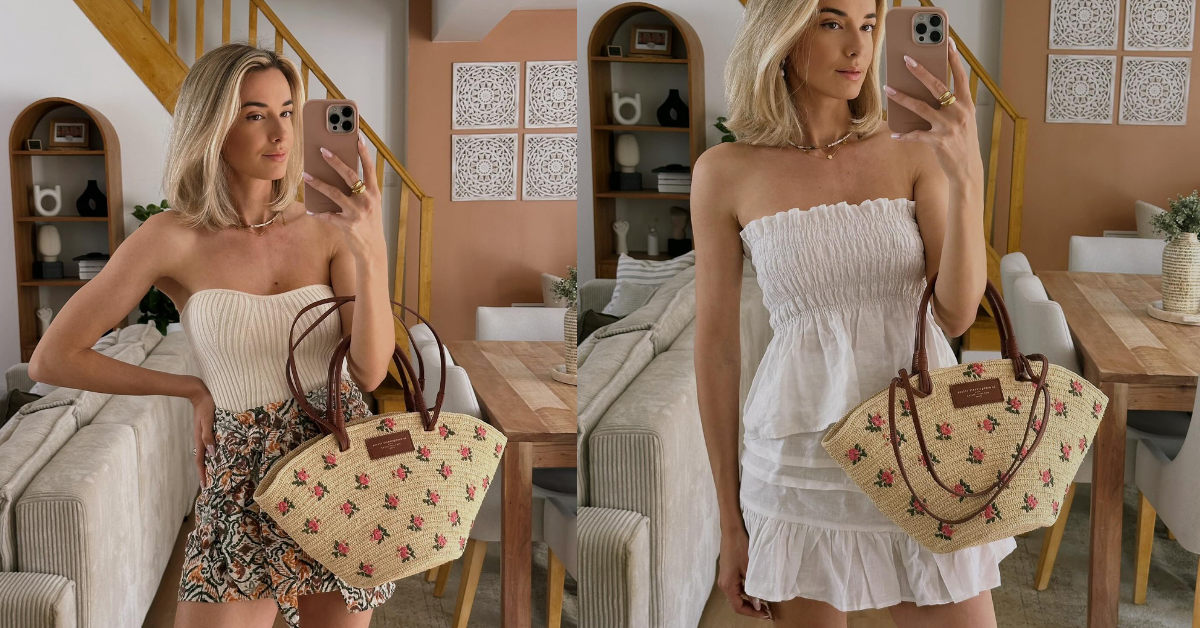
“Scandi blonde” sounds like one specific shade, but it’s really a strategy: light, clean-looking blonde that stays believable at the root and never drifts into orange-yellow chaos.
The reason it looks so good (and so “expensive”) is that it’s built on three boring decisions most people skip:
- Pick a tone family that suits your skin and your natural base.
- Use glosses/toners on a schedule instead of panicking when it turns warm.
- Prevent the warm-up (UV, heat, minerals, pool metals) so you aren’t constantly fighting brass.
Recent trend coverage still positions Scandi blonde as sun-kissed but controlled, often paired with brightened baby hairs or face framing for that fresh “just got back from summer” effect. And 2026 color trend reporting is leaning toward lower-maintenance blondes and brondes overall, which fits the Scandi approach perfectly.
You’ll find a tone guide below, what to ask your colorist, how glosses work, and a simple anti-brass routine that actually holds up in real life.
Quick answer for skimmers
- “Scandi blonde” = clean, softly blended blonde with controlled warmth, often with subtle face-brightening pieces.
- Toner vs gloss: both can adjust tone; a gloss is often described as a shine-boosting, demi-type service that fades gradually in about 4–6 weeks (varies).
- Brass happens because cool tones fade first, and warm undertones show through (plus UV, heat, minerals, and pool metals can speed it up).
- Purple shampoo targets yellow tones in blondes; blue shampoo targets orange tones (often on darker blondes/brunettes).
- If you live with hard water, build-up can make blonde look dull and warmer. In Germany, water hardness varies a lot by region, and “hard” water is a defined category in local utility guidance.
- If you only do one thing: gloss every 4–6 weeks + purple shampoo 1x/week (adjust to your hair) and protect from heat/UV.
The Scandi blonde decision framework
Step 1: Choose your blonde “lane”
Pick the lane that matches your lifestyle, not your Pinterest board.
- Natural-luxe blonde (lowest maintenance)
Soft highlights + a root shadow + occasional gloss. - Bright Scandi blonde (medium maintenance)
Lighter overall, still blended at the root, needs toning more often. - Icy/pearl blonde (highest maintenance)
Stunning, but it warms and dulls fastest. This is the lane that punishes you for skipping upkeep.
A clear trade-off with no solution: the cooler and lighter you go, the more frequently you’ll need toning and the more fragile your hair can feel over time.
Step 2: Pick a tone family (this is where most brass problems start)
Choose one “home base” tone, then everything else (toners, glosses, purple shampoo) supports that.
- Pearl: bright, reflective, slightly creamy-cool
- Ash: smoky-cool, more muted
- Beige: neutral-cool, “expensive neutral”
- Champagne: neutral with a soft golden glow
- Honey: intentionally warm (not brassy)
Scandi blonde is often described as ash-blonde leaning, with sun-kissed ends and brightening around the face.
Step 3: Decide your maintenance rhythm
- Gloss/glaze: plan on every 4–6 weeks if you want that fresh tone and shine.
- Purple shampoo: usually once weekly or every few washes, not daily. Overuse can make hair dull or slightly violet and can be drying.
- Chelation/clarifying (hard water or heavy product use): occasionally, not constantly (more on this below).
This won’t work if you want icy blonde but you wash daily with hot water, heat-style without protection, and never tone. Your blonde will warm up. Fast.
Tone guide: what to ask for (and who it flatters)
1) Pearl blonde
Looks like: bright, light-reflecting blonde with a soft cool sheen
Best if: you want “glossy Scandinavian” more than “smoky ash”
Ask for: “Pearl toner/gloss, bright but not gray.”
Pearl is often explained as a polished blonde that plays between cool and soft warmth, with the shine being the point.
2) Ash blonde
Looks like: muted, slightly smoky cool blonde
Best if: you hate yellow and prefer a more understated blonde
Watch-out: can look flat if your hair is very porous or your skin tone is warm and you go too gray.
Vogue Scandinavia has referred to “Scandi blonde” as ash-blonde leaning in trend roundups.
3) Beige blonde (my “safe” recommendation for most people)
Looks like: neutral-cool, expensive, not too icy
Best if: you want low drama and a tone that fades gracefully
Ask for: “Beige-blonde gloss, neutralize yellow but keep it creamy.”
I usually tell people to stop chasing the iciest possible blonde. Beige-blonde with shine reads richer in real life and it’s easier to maintain.
4) Champagne blonde
Looks like: neutral with a soft golden lift (intentional warmth)
Best if: you want blonde that looks healthy and not “toned to death”
Ask for: “Champagne toner, not brassy, just softly warm.”
5) Honey blonde
Looks like: warm blonde done on purpose
Best if: you tan easily, wear warm makeup tones, and hate anything gray
Key: honey is controlled warmth; brass is random warmth.
Toner vs gloss vs glaze
Salons use these words a little differently, but here’s the helpful way to think about it:
- Toner: a service that fine-tunes unwanted warmth (yellow/orange) after lightening.
- Gloss/glaze: usually a shine + tone refresh that fades gradually and often lasts around 4–6 weeks depending on washing and products.
Some educators and brands even note that “gloss” can be used as another word for toner in colorist language.
What to ask your colorist (copy-paste)
Bring a photo, then say:
- “I want a Scandi blonde that reads clean, not yellow.”
- “My ideal tone is (pearl / ash / beige / champagne / honey).”
- “Can we do a root shadow or root smudge so grow-out looks soft?”
- “I’d like a gloss schedule every 4–6 weeks to keep it shiny.”
- “My water is hard / I swim / I heat-style” (pick what’s true).
Optional. Skip it if you’re sensitive or hate upkeep: ask about the Scandi hairline (brightening baby hairs around the face). It can look amazing, but it’s bleach at the hairline and not everyone enjoys maintaining it.
Why blonde turns brassy (and what actually helps)
1) Oxidation + UV
Sun and air exposure can fade cooler tones and reveal warmer undertones.
What helps: UV protection (hat, UV hair spray), gloss refresh, and not frying hair with heat.
2) Heat damage
Heat roughens the hair surface and can make tone look duller and warmer over time. Dermatologists recommend reducing heat, using lower settings, and minimizing damage.
3) Hard water minerals
Mineral build-up can make blonde look dull and warmer. Water hardness varies by region, and “hard” water is a defined range in local water guidance.
What helps: occasional chelating/clarifying, and if it’s a real issue, a shower filter.
4) Pool metals (copper)
Greenish tones in light hair are often linked to copper deposits, especially from pools.
What helps: wet hair before swimming, rinse immediately after, and use a chelating wash occasionally if you swim a lot.
The anti-brass routine that works (week by week)
Every wash
- Gentle shampoo (or just scalp cleanse if you’re dry)
- Conditioner on mid-lengths and ends
- Heat protectant if you heat-style (non-negotiable if you want “expensive hair”)
Once a week (or every few washes)
- Purple shampoo for blondes that are going yellow
Keep it short and follow directions. Overuse can dull or dry hair. - If your brass is more orange than yellow (darker blonde): consider blue shampoo instead.
Every 2–4 weeks (only if needed)
- Chelating/clarifying wash if you have hard water, swim, or use lots of styling products.
Then deep condition.
Every 4–6 weeks
- Gloss/glaze to reset tone and bring back shine.
Common mistakes that create brass (and how to fix them)
- Using purple shampoo like regular shampoo
Fix: treat it like a toner maintenance tool, not your daily cleanser. - Trying to “tone” orange with purple
Fix: purple targets yellow; orange often needs blue. - Skipping heat protection
Fix: use lower heat, fewer passes, and protect. Dermatology guidance is very clear that heat can contribute to damage and dullness. - Ignoring water build-up
Fix: if your blonde constantly looks warm no matter what, suspect minerals. Water hardness varies widely by location.
Scandi blonde variations (choose what fits your life)
Best low-maintenance Scandi blonde
- Highlights + root shadow + beige or champagne gloss
- Purple shampoo 1x/week
Best for “I want bright blonde but not platinum”
- Brighter face frame + soft blend through the ends
- Gloss every 4–6 weeks
Best for true icy/pearl blonde
- Commit to toning and conditioning
- Expect more frequent salon upkeep and more sensitivity to heat, UV, and water.
Best if you’re brunette going blonde
- Stay in the “bronde” family first (less orange-fighting)
- 2026 trend reporting supports this shift toward toned-down, lower-maintenance blondes.
FAQ
How do I know if I need purple or blue shampoo?
If your blonde looks yellow, go purple. If it looks orange, go blue.
How often should I use purple shampoo?
Often it’s weekly or every few washes, depending on how fast you go warm. Daily use is usually unnecessary and can cause dullness or dryness.
Do glosses damage hair?
Most glosses are not permanent and fade gradually, and they’re commonly positioned as a tone-and-shine refresh. Longevity is often cited around 4–6 weeks, depending on your routine.
Why does my blonde turn green after swimming?
Copper deposits can cause green tones in light hair, especially with pool exposure.
Is Scandi hairline the same as a money piece?
Not exactly. Scandi hairline focuses on brightening finer hairs right at the hairline for a sun-bleached halo effect, while “money piece” is usually a bolder face-framing chunk.
Just a little note - some of the links on here may be affiliate links, which means I might earn a small commission if you decide to shop through them (at no extra cost to you!). I only post content which I'm truly enthusiastic about and would suggest to others.
And as you know, I seriously love seeing your takes on the looks and ideas on here - that means the world to me! If you recreate something, please share it here in the comments or feel free to send me a pic. I'm always excited to meet y'all! ✨🤍
Xoxo Frida
