
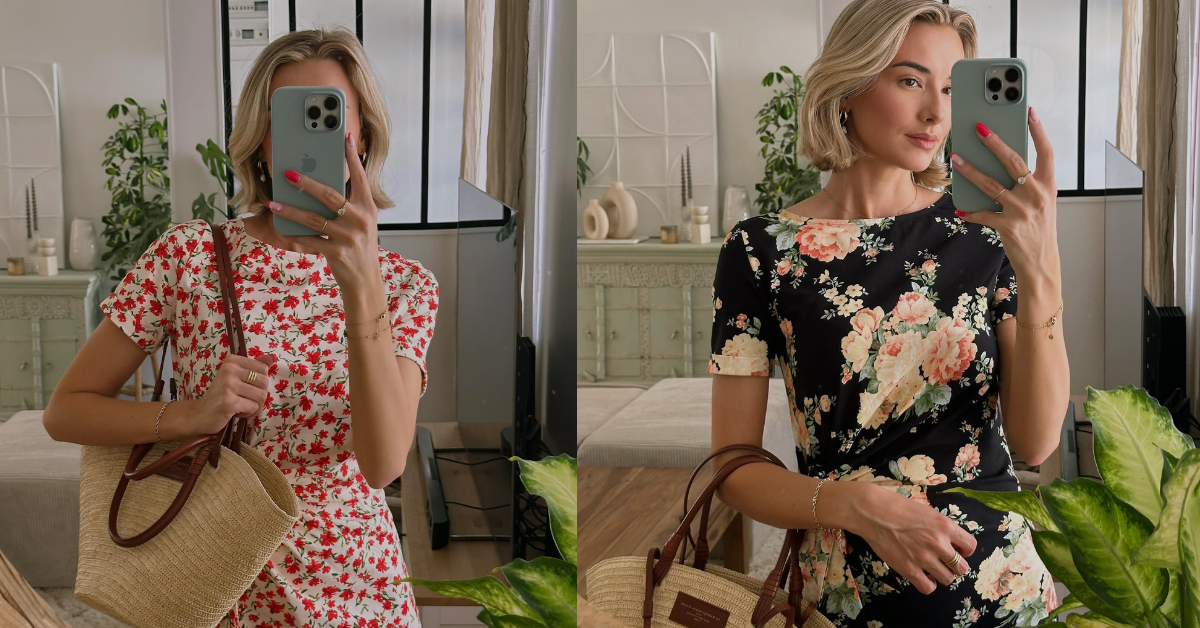
The “Scandi hair” thing is less about a specific haircut and more about a styling philosophy: healthy-looking hair that moves, reflects light, and doesn’t look overworked. The shine comes from smooth cuticles and controlled frizz, not from blasting your hair with maximum heat until it behaves.
Here’s the part most people miss: heat damage isn’t only about the number on your tool. It’s the combo of temperature + time + pressure + how wet your hair is. Hair protein structure changes with heat, and moisture matters too. Human hair keratin’s thermal behavior shifts with moisture content (wet hair behaves differently than dry hair), which is one reason “just iron it on damp” can go sideways fast.
This guide gives you a repeatable, low-heat routine that’s very “Scandi”: simple, practical, and easy to keep up with. No pretending you’ll never use heat again. Just fewer bad hair days and less cumulative damage over time.
One limitation up front: this routine won’t fully save you if you’re bleaching heavily and heat-styling daily. You can reduce harm a lot, but there’s still a trade-off.
Quick answer (for skimmers)
- Shine is mostly cuticle smoothness + moisture balance + light product film, not high heat.
- Your biggest low-heat win is getting water out fast, gently, then using minimal heat for shaping.
- Blow-drying can be less damaging when done with distance and constant motion (not parking heat in one spot).
- If you use a hot tool, use one slow pass, not five fast ones. Repeated passes add up.
- Always use a heat protectant / film-forming styling product before heat. These can reduce thermal damage and breakage.
- If you want “lowest heat by design,” airflow stylers cap temperatures lower than many traditional irons. Dyson, for example, says Airwrap stays under 150°C and contrasts that with curling iron plates reaching ~218°C.
- “Cold shot” is not a myth. It helps set the shape and reduce fuzz (and costs you almost nothing).
If you only do one thing: dry your roots first, keep the dryer moving, and don’t over-dry your ends.
The decision framework (pick your low-heat lane)
If you want maximum shine with minimal damage
Low-heat blowout + finish serum
Best for: straight, wavy, frizz-prone, fine to medium density.
If you want “polished but natural”
Air-dry most of the way + quick shape at the end
Best for: wavy hair, busy mornings, anyone who hates full blowouts.
If you want sleek straight
Airflow straightener or low-temp straightener + one pass
Tools designed to limit heat can help, but technique still matters.
If you want bends and soft waves
Velcro rollers (or heatless set) + a short warm blast
Yes, this is very Scandi: low drama, high payoff.
Three common mistakes (and fixes)
- Styling soaking wet hair with high heat.
Fix: get to “damp, not dripping” first. - Parking the dryer in one spot.
Fix: keep it moving, use distance. - No heat protectant because you “barely used heat.”
Fix: use it anyway. Protectants are made for exactly this.
Why Scandi hair looks shiny (the simple explanation)
- Smooth cuticle = mirror effect. Rough cuticles scatter light and look dull.
- Less mechanical damage = fewer flyaways. Brushing, tugging, and over-ironing create fuzz that kills shine.
- Lightweight product film helps reflect light. Many conditioners, silicones, and polymers act like a micro “glaze,” improving slip and smoothness.
I usually tell people to stop chasing 12-step routines here. One solid routine you repeat is what creates that consistent, “put-together” hair.
The low-heat Scandi routine (step-by-step)
Step 1: Wash day setup (2 minutes)
- Shampoo the scalp, not the ends.
- Condition mid-lengths to ends.
- If your hair tangles easily, detangle in the shower with conditioner in (less breakage later).
Optional. Skip it if you’re fine without it: a quick rinse-out gloss/lamellar treatment. It can boost shine fast, but it’s not mandatory for healthy hair.
Step 2: Towel technique matters more than you think
- Use a microfiber towel or a soft cotton tee.
- Squeeze and blot, don’t rub.
- If you’re prone to frizz, avoid aggressive towel twisting.
Step 3: Apply your “protection + slip” layer
You want one of these before heat:
- Heat protectant spray (good for fine hair)
- Cream/leave-in with heat protection (good for thick, dry, curly hair)
- Styling lotion / blow-dry primer (best “all-in-one” for shine + hold)
Why: heat protectants and polymer films can reduce thermal damage and breakage when you heat-style.
Step 4: The Scandi blow-dry method (low heat, high shine)
This is the core.
- Dry roots first
Lift the roots with your fingers and aim airflow at the scalp area. Roots take the longest and create the “fresh” look. - Use distance + constant motion
A classic hair-dryer study found less damage when drying at about 15 cm distance with continuous motion (versus close, concentrated heat). - Stay on medium heat, high airflow
Airflow dries. Heat shapes. Most people flip that. - Stop at 90 to 95% dry
Over-drying is where ends get crunchy and dull. Leave a tiny bit of moisture, then finish with controlled tension. - Tension for shine (not more heat)
Use a paddle brush or round brush just for the final smoothing passes. The shine comes from alignment. - Cool shot to set
Hit each section briefly with cool air at the end. It helps reduce surface fuzz and sets the shape.
This won’t work if you try to do it in a steamy bathroom with no ventilation. Humidity will undo your smoothing fast. Sometimes you just lose that battle.
Step 5: Finish like a minimalist
Pick one:
- 1 to 2 drops of a light serum (silicone-based serums are common for shine and slip)
- A tiny amount of oil on ends only (too much reads greasy, not glossy)
- A flexible hold spray if you need longevity
A real trade-off: more product can mean more shine, but also more buildup over time. If your hair starts feeling coated, add an occasional clarifying wash.
Low-heat styling options (choose your vibe)
Option A: “Air-dry most of the way” routine (fast and realistic)
- Apply leave-in + heat protectant.
- Air-dry until ~70%.
- Blow-dry 5 minutes: roots and top layer only.
- Smooth ends with a brush for 60 seconds.
Result: natural movement, less effort, still polished.
Option B: Velcro roller shine set (very Scandi, very underrated)
- Blow-dry to 90% dry.
- Roll top sections (crown + face frame).
- Leave 10 to 20 minutes while you do makeup.
- Unroll, cool shot, tiny serum.
Result: bouncy, shiny, not over-heated.
Option C: Minimal hot-tool routine (for sleek or bends)
If you use a straightener/curling iron:
- Make sure hair is fully dry.
- Heat protectant first.
- Use one slow pass per section, not repeated passes.
Traditional irons can run very hot (Dyson cites curling iron plates as high as ~218°C in a comparison article), so lower heat and fewer passes matter.
Option D: “Low heat by design” tools (airflow stylers)
Airflow-based tools typically cap temps below many irons. Dyson says Airwrap stays under 150°C, and its Airstrait product pages list presets like 80°C, 110°C, and 140°C (model and mode dependent).
This doesn’t make technique irrelevant, but it’s a helpful guardrail if you style often.
Red flags that your routine is still too hot
- Split ends suddenly multiply
- Hair feels rough even after conditioner
- Color fades faster than usual
- You see lots of short “halo” breakage
- Hair won’t hold styles anymore (over-processed hair can behave weirdly)
Heat plus chemical processing is a common damage combo, and studies on heat exposure show measurable structural and surface changes in treated hair.
FAQ
Do I really need heat protectant if I only blow-dry?
If you care about damage, yes. Reviews and clinical overviews in dermatology and cosmetic science commonly recommend silicone or film-forming protectants for heat styling to reduce issues like bubble hair and surface damage.
Is air-drying always “healthier”?
Not automatically. One study found that drying with a dryer at distance and moving continuously can be less damaging than natural drying in certain conditions.
What heat setting should I use?
Lower than you think, and prioritize airflow. Exact “safe numbers” vary by hair type, moisture, chemical history, and tool. The practical rule is: lowest heat that works with the fewest passes.
Why does my hair look shiny in the bathroom and dull outside?
Bathroom lighting plus humidity can trick you. Shine that holds in daylight usually needs smoother cuticles, not just oil on top.
Can silicones cause buildup?
They can, especially water-insoluble silicones used heavily. It’s manageable with periodic clarifying, but it’s a real trade-off.
What’s the biggest “Scandi” habit here?
Consistency. A simple routine done often beats an intense routine done once a month.
Just a little note - some of the links on here may be affiliate links, which means I might earn a small commission if you decide to shop through them (at no extra cost to you!). I only post content which I'm truly enthusiastic about and would suggest to others.
And as you know, I seriously love seeing your takes on the looks and ideas on here - that means the world to me! If you recreate something, please share it here in the comments or feel free to send me a pic. I'm always excited to meet y'all! ✨🤍
Xoxo Frida
